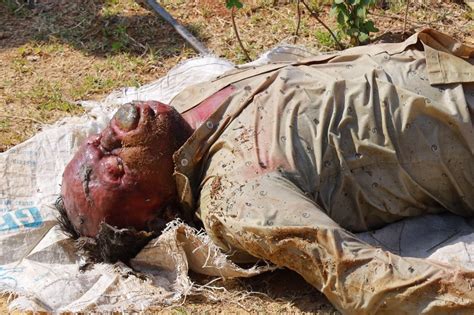
Unidentified Body Found: The Unfolding InvestigationEvery time we hear the phrase, “an
unidentified body found
,” it sends a chill down our spine, doesn’t it, guys? It’s not just a news headline; it’s the beginning of a complex, often heartbreaking,
unfolding investigation
that pulls together a vast network of dedicated professionals. This isn’t just about solving a puzzle; it’s about giving a name back to someone, providing answers to a grieving family, and ultimately, bringing a measure of justice or closure. The discovery of human remains, especially when their identity is unknown, kicks off a meticulous and highly specialized process that blends old-school detective work with cutting-edge forensic science. Imagine the scene: a quiet morning suddenly shattered by the discovery of something profoundly out of place. This isn’t just a job for the police; it’s a call to action for forensic pathologists, anthropologists, odontologists, DNA specialists, and countless others. Each person plays a
critical role
in piecing together the story of who this individual was, how they came to be there, and what circumstances led to their tragic end. It’s a journey filled with scientific rigor, human empathy, and an unwavering commitment to the truth. We’re talking about a multifaceted approach where every tiny piece of evidence, every subtle clue, becomes a vital part of the larger narrative. From the moment the
unidentified body is found
, the clock starts ticking, and a whirlwind of activity begins, all aimed at restoring identity and, if necessary, pursuing justice. This whole process, from the initial
discovery
right through to the potential resolution, is a testament to the dedication of those who work tirelessly behind the scenes. It’s truly incredible how much effort goes into ensuring that no one remains just a statistic, but is remembered and accounted for. This is where the real work begins, folks, in understanding the profound mystery of an
unidentified body found
and the
unfolding investigation
that seeks to bring light to the shadows. It’s about respecting the deceased and providing answers for those who are left to wonder.## The Initial Response: Securing the Scene and Gathering Early CluesWhen an
unidentified body is found
, the very first moments are absolutely
critical
for the entire
unfolding investigation
. Think of it like a delicate dance, where every step taken has to be precise and deliberate to avoid contaminating or destroying crucial
evidence
. The initial call to emergency services triggers an immediate response from
first responders
—usually local law enforcement officers and paramedics. Their primary role isn’t just about confirming a death, but swiftly securing what is now officially a potential
crime scene investigation
. Guys, this isn’t like what you see on TV where a detective just strolls in and starts touching everything; in real life, it’s far more rigorous.The very first officer on the scene establishes a perimeter, often much larger than you’d expect, to protect against curious onlookers, animals, or even well-meaning individuals who might inadvertently disturb the area. This perimeter is crucial because it ensures the integrity of the scene. They’ll also make preliminary observations, noting things like weather conditions, time of day, and any obvious signs of disturbance, all without actually touching the body or anything immediately around it. This information is meticulously documented, often through photographs and detailed notes, because it sets the stage for everything that follows. Soon after, a dedicated
crime scene investigation
unit arrives. These are the highly trained specialists who approach the scene methodically, often in protective gear to prevent their own DNA from contaminating the area. They’ll conduct a thorough visual sweep, identifying and marking potential
evidence
before anything is moved. This includes everything from tire tracks and footprints to discarded items, soil samples, and even insect activity, which can provide valuable clues about the
time of death
.The careful collection of
evidence
is paramount. Each item, no matter how small, is photographed, logged, and carefully packaged to preserve its integrity. This could involve everything from hair and fiber samples to potential weapons, personal belongings, or even microscopic residues. They’re looking for anything that might link the deceased to an assailant, or to provide context about their last moments. It’s a painstaking process, often taking hours or even days, as every square inch of the area is examined. This initial phase of the
unfolding investigation
, focused on securing the scene and meticulously gathering early clues, lays the foundation for all subsequent forensic analysis and detective work. Without this meticulous approach, crucial pieces of the puzzle could be lost forever, making the task of identifying the deceased and understanding the circumstances of their death exponentially harder. It’s the silent, often unseen, groundwork that truly enables justice to be pursued for the
unidentified body found
.## Unraveling the Mystery: Forensic Science in ActionOnce an
unidentified body is found
and the scene has been thoroughly documented and cleared, the real magic—or rather, the meticulous science—of the
unfolding investigation
truly begins in the laboratory. This is where
forensic science
takes center stage, acting as the silent voice for the deceased. Forensic experts from various disciplines come together to piece together a profile, identify the individual, and determine the circumstances of their death. It’s an incredible collaborative effort, guys, much more intricate than any TV show could ever portray.The journey often starts with an
autopsy
performed by a
forensic pathologist
. This medical examination is designed to determine the cause and manner of death. They’ll look for signs of injury, disease, or any anomalies that could explain how the person died. During the autopsy, samples are taken for
toxicology
—to check for drugs or poisons—and for
DNA identification
. DNA, as we know, is incredibly powerful. Even tiny samples of tissue, blood, or bone can yield a complete genetic profile, which can then be compared against
missing persons databases
or familial DNA samples.Beyond DNA, other specialized fields contribute massively.
Forensic anthropology
focuses on skeletal remains, helping to determine the individual’s sex, age range, ancestry, and even potential past injuries or illnesses. An anthropologist can literally read a person’s life story from their bones! Similarly,
forensic odontology
, or dental analysis, is often a primary method of identification. If dental records exist for a missing person, a match can be made quickly, making it a
critical tool
in identifying the deceased. We’re talking about looking at fillings, crowns, and unique tooth structures.The lab isn’t just about bones and teeth; it’s about micro-evidence too.
Fingerprints
, if obtainable, are a classic and highly effective identification method. But specialists also examine clothing for fibers, hair, and soil samples. Ballistics experts analyze any bullets or casings found, while entomologists study insect activity on the body, which can provide astonishingly accurate estimates for the
time of death
. Each discipline brings its own set of tools and knowledge, all converging to build a comprehensive picture. The challenge often lies in the condition of the remains. If the body is highly decomposed, burned, or dismembered, the work becomes exponentially harder, requiring even more advanced techniques and painstaking patience. But the goal remains the same: to give a name to the
unidentified body found
and to understand their final moments, allowing the
unfolding investigation
to move forward with solid, scientific evidence. It’s truly a testament to human ingenuity and dedication, folks, that so much can be learned from so little.## The Human Element: Identifying the Deceased and Seeking ClosureAfter all the science, the most profound part of the
unfolding investigation
into an
unidentified body found
is the
human element
: the painstaking effort to identify the deceased and, in doing so, bring a semblance of peace and
closure
to their loved ones. This isn’t just a technical step; it’s an incredibly emotional and empathetic journey that connects the scientific findings back to real people and real families. Imagine the agony of not knowing what happened to a missing family member—the endless nights, the constant worry. Identifying the deceased is often the first step towards healing for these families.The process of
victim identification
draws heavily on the forensic data collected. As mentioned, DNA analysis is a game-changer. Once a DNA profile is generated, it’s entered into national and international
missing persons databases
, such as NamUs in the United States, in hopes of finding a match. Sometimes, this involves
familial DNA
, where DNA from family members of a missing person is used to create a partial match, narrowing down the possibilities. This can be a complex and ethically sensitive area, but it offers a vital pathway to identification when direct comparisons aren’t available.Beyond DNA, dental records, fingerprints, and unique medical implants (like pacemakers or artificial joints with serial numbers) are often the quickest routes to identification. Law enforcement also works closely with local communities and media outlets, releasing reconstructed images or descriptions of clothing found with the body, hoping someone recognizes a detail. Public appeals are a powerful tool, relying on the collective memory and observation of ordinary citizens. It’s truly amazing how often a small detail shared by the public can crack a case wide open.The emotional weight of this stage cannot be overstated. When a positive identification is made, it’s a moment of profound significance. For the investigative team, it’s a triumph of their tireless work. But for the family, it’s a bittersweet moment—the confirmation of their worst fears, yet also the first step towards mourning and
closure
. It allows them to know what happened, to retrieve their loved one, and to give them a proper farewell. It transforms an
unidentified body found
from a mystery into a person with a history, a family, and a story. The process of
repatriation
of remains, ensuring the deceased is returned to their family, is also handled with utmost care and respect. This entire phase underscores why every step of the
unfolding investigation
is so critical—it’s all building towards this moment of giving a name back to the voiceless, and a measure of peace to those who grieve. It truly highlights the profound human impact of every discovery, every piece of evidence, and every answered question.## Beyond Identification: The Pursuit of Justice and Lasting AnswersOnce an
unidentified body found
finally has a name, the
unfolding investigation
doesn’t stop there, especially if foul play is suspected. In many cases, identification is just the first major hurdle cleared, opening the door to the even more challenging task of pursuing
justice
. For families, knowing
who
their loved one was is paramount, but often, the next pressing question is
why
and
who did this to them
? This transition moves the investigation from forensic identification to a full-blown
criminal investigation
.Detectives now have a person of interest, a victim with a life history, relationships, and potential enemies or associates. The focus shifts dramatically to understanding the deceased’s last days, their movements, and their interactions. This involves extensive interviewing—talking to family, friends, co-workers, and anyone who might have had contact with the victim. It’s about building a comprehensive timeline of their life leading up to their death, searching for
motive
and potential
suspects
. Every detail gathered during the initial crime scene investigation and forensic analysis now takes on new significance, potentially linking a
suspect
to the scene or the victim.For example, if DNA found at the scene doesn’t belong to the victim, it immediately becomes a crucial lead. Fingerprints, specific tool marks, or even unique fibers found on the body could all point towards an assailant. Ballistics reports become vital if a firearm was involved, potentially connecting a specific weapon to the crime. This phase of the
unfolding investigation
often requires immense patience and persistence. It’s not uncommon for these cases to become
cold cases
, lying dormant for years or even decades, only to be reopened later when new forensic techniques emerge or a new lead comes to light.The role of the
justice system
then becomes central. Once suspects are identified and enough evidence is gathered, the case moves through the legal process, from arrest to prosecution. This pursuit of justice, while sometimes long and arduous, is fundamental to society. It holds perpetrators accountable, provides a measure of retribution for the victim, and brings a sense of security to the community. Even if the death is determined to be accidental or natural, the identification still provides closure, preventing families from living in a perpetual state of uncertainty.It’s truly humbling to see the unwavering dedication of law enforcement and legal professionals in their pursuit of answers, regardless of how long it takes. Every
unidentified body found
represents a life, and the continued
unfolding investigation
ensures that no one is forgotten. This commitment to justice underscores the profound value society places on every individual, even those whose stories begin as a tragic mystery. It’s about ensuring that dignity is restored and accountability is achieved, bringing a final sense of resolution to what began as a somber discovery.## Conclusion: The Enduring Impact of Every DiscoveryWhen an
unidentified body is found
, it’s never just another statistic; it’s a profound mystery that ignites a complex, deeply human, and scientifically rigorous
unfolding investigation
. We’ve walked through the journey, guys, from the chilling initial
discovery
and the painstaking securing of the scene, to the intricate work of forensic scientists, the compassionate effort to identify the deceased, and finally, the relentless
pursuit of justice
. Each step in this process is absolutely vital, forming an unbroken chain of dedication that aims to restore identity, provide
closure
, and uphold the principles of
community safety
and accountability.The meticulous work of first responders ensures that precious
evidence
isn’t lost. The incredible advancements in
forensic science
—from DNA analysis to anthropology—give a voice to those who can no longer speak for themselves. The compassionate efforts to connect the identified remains with
missing persons databases
and grieving families bring a measure of peace and allow for proper farewells. And the ongoing detective work, often spanning years or even decades, represents society’s unwavering commitment to finding answers and bringing perpetrators to justice, even in the face of daunting challenges.This isn’t just about solving a case; it’s about validating a life. Every
unidentified body found
reminds us of the fragility of life and the strength of human ingenuity and compassion. It highlights the incredible dedication of individuals across various fields who work tirelessly, often behind the scenes, to ensure that no one is truly forgotten. Their efforts underscore the importance of every human life and the collective responsibility we have to seek the truth. Ultimately, the
unfolding investigation
is a testament to our shared humanity, our commitment to empathy, and our enduring quest for
closure
and justice in the face of tragedy. It’s a reminder that even in the darkest of circumstances, hope for answers and resolution persists.
