Mastering Korean Gratitude: Your Hinative Guide
Mastering Korean Gratitude: Your Hinative Guide
Hey everyone! 👋 Ever found yourself in a situation where you needed to express your gratitude in Korean but felt a little lost? Don’t worry, we’ve all been there! Learning how to say “thank you” in Korean is super important, whether you’re traveling, chatting with Korean friends, or just trying to be polite. And guess what? Hinative is a fantastic resource to help you get it right. So, let’s dive into the world of Korean thank-yous, and I’ll give you the lowdown on how to use Hinative to become a gratitude guru. 😎
Table of Contents
- The Basics: How to Say “Thank You” in Korean
- Additional Phrases Related to Gratitude
- Using Hinative to Perfect Your Korean Thank-Yous
- Asking Questions on Hinative
- Understanding the Answers
- Practice Makes Perfect: Tips for Learning Korean Gratitude
- Practicing Pronunciation
- Integrating Into Daily Life
- Seeking Feedback
- Conclusion: Your Korean Gratitude Journey Starts Now!
The Basics: How to Say “Thank You” in Korean
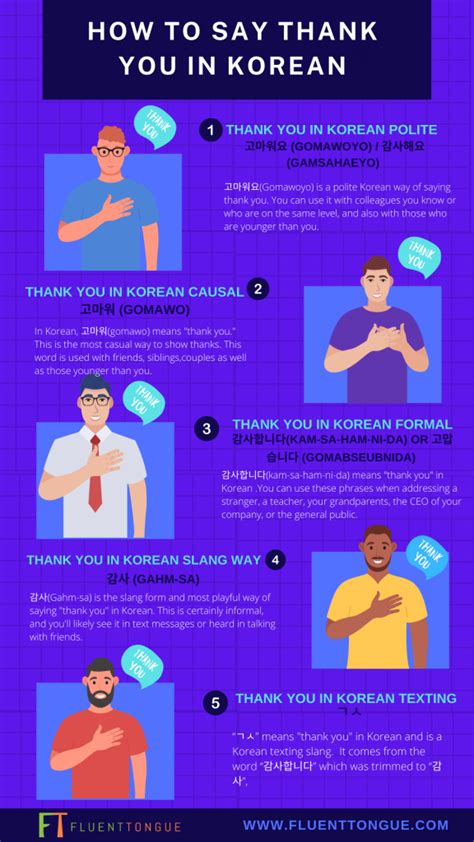
Alright, let’s get down to the basics. The most common way to say “thank you” in Korean is 감사합니다 (gamsahamnida) . You’ll hear this a lot, and it’s a safe bet in most situations. Think of it as the equivalent of “thank you” in English. It’s polite and versatile. But, just like in English, Korean has different levels of politeness, and the way you say thank you can change depending on who you’re talking to and the context.
For a more formal situation, perhaps when speaking to someone older than you, a superior, or someone you don’t know well, you might use 감사합니다 (gamsahamnida) . This is generally your go-to phrase for being respectful. It’s like saying “Thank you very much.” in a formal setting. Now, if you want to be extra polite and emphasize your gratitude even further, you can use 정말 감사합니다 (jeongmal gamsahamnida) , which means “Thank you very much” or “Thank you so much.”
On the other hand, if you’re chatting with friends or family members who are close to you and younger than you, you can use the more casual form, 고마워 (gomawo) . This is similar to saying “thanks” in English. It’s a friendly and informal way to show your appreciation. And for an even more casual approach, you could say 고마워요 (gomawoyo) , which is a bit more polite than 고마워, but still informal. It’s perfect for a quick thank you to someone you’re comfortable with.
Keep in mind that context is key! Pay attention to the age, relationship, and social status of the person you’re speaking to. Misusing the polite and informal forms can sometimes lead to misunderstandings, so it is always great to double-check the appropriateness of your words. Remember that using the correct form of “thank you” is about showing respect and building good relationships. Using the wrong one can be seen as rude or disrespectful, so always be mindful of who you are talking to. It’s like any language, right? The more you practice, the more natural it becomes. So, go out there and start practicing! 😉
Additional Phrases Related to Gratitude
Besides the main ways to say “thank you,” there are other related phrases that can come in handy. For instance, if someone does something really helpful for you, you can say, 도와주셔서 감사합니다 (dowajuseoseo gamsahamnida) , which means “Thank you for helping me.” This is a great phrase to use when someone goes out of their way to assist you.
Another useful phrase is 신세 많이 졌습니다 (sinse mani jieotseumnida) . This is a more formal way of saying “Thank you for everything” or “I owe you a lot.” It’s used when someone has been extremely helpful or has done something significant for you. It shows a deeper level of gratitude. And finally, if you want to thank someone for a specific gift or something they gave you, you can say, 선물 감사합니다 (seonmul gamsahamnida) , which means “Thank you for the gift.” This phrase is specifically for thanking someone for a present.
Mastering these additional phrases can really take your Korean gratitude game to the next level. So, take the time to learn and practice them! They will make your interactions with Korean speakers much more meaningful and show them that you truly appreciate their help and kindness.
Using Hinative to Perfect Your Korean Thank-Yous
So, you’ve got the basics down, but how do you make sure you’re saying “thank you” correctly? That’s where Hinatve comes in! Hinative is a language exchange app where you can ask native speakers questions about pronunciation, grammar, and, of course, phrases like “thank you.” It’s like having a Korean language tutor right in your pocket. 🤩
Asking Questions on Hinative
To use Hinative effectively, start by creating an account and familiarizing yourself with the platform. When you want to check how to say “thank you” or any related phrases, you can post a question. Be specific! Instead of just asking, “How do I say thank you?” try asking questions like “Is ‘고마워요’ appropriate to use with my friend?” or “How do I say ‘Thank you for your help’ in a polite way?” The more specific your question, the better the answers you’ll receive.
When you ask your question, make sure to include the context. Who are you talking to? What situation are you in? The more context you provide, the more accurate the responses you’ll get. For example, if you’re asking about thanking a shop assistant, you could write, “I want to thank the shop assistant for their help. What’s the best way to say ‘Thank you’ in this situation?” This will help native speakers understand your needs and give you the most relevant advice.
Don’t be afraid to add extra details to your question. You can mention your level of Korean proficiency and the specific goal you’re trying to achieve. This helps native speakers tailor their responses to your needs. Always be polite and respectful in your questions. Using good manners increases the likelihood that people will respond and provide useful information.
Understanding the Answers
Once you’ve posted your question, native Korean speakers will start providing answers. Pay attention to the different answers you receive. You might get several responses, which can be super helpful because you can compare and contrast the information. Look for commonalities and different perspectives. This will give you a well-rounded understanding of the topic.
Take note of the examples and explanations provided. Native speakers will often give you example sentences, which is essential for understanding how to use the phrases in context. Read the examples carefully and try to understand the nuance of each phrase. Don’t be shy about asking follow-up questions if something isn’t clear! This is a great way to clarify any confusion.
Finally, don’t forget to thank the people who answered your question! A simple “Thank you” in Korean (like 감사합니다 or 고마워요 ) is a great way to show your appreciation for their help. This encourages a positive and collaborative learning environment on Hinative. You can learn a lot from other people’s questions and answers, so make use of the platform! 😉
Practice Makes Perfect: Tips for Learning Korean Gratitude
Alright, so you’ve got the phrases, you know how to use Hinative, but how do you really nail saying “thank you” in Korean? Practice, practice, practice! The more you use these phrases, the more natural they’ll become. So, let’s go over some tips to help you on your Korean journey.
Practicing Pronunciation
One of the trickiest parts of learning Korean is pronunciation. Luckily, Hinative can help with this too. When you receive an answer, many native speakers will include audio recordings of the phrases. Listen to these recordings repeatedly and try to imitate the pronunciation. Pay attention to the sounds, intonation, and rhythm of the language. This will help you to speak more naturally.
You can also record yourself saying the phrases and compare your pronunciation to the native speaker’s audio. This can help you identify areas where you need to improve. Don’t be afraid to practice in front of a mirror! It can help you with mouth positioning and overall confidence. And remember, it’s okay to make mistakes! Everyone starts somewhere. The more you practice, the better you’ll get.
Integrating Into Daily Life
To really solidify your understanding, try integrating the phrases into your daily life. If you have Korean friends or are learning with a language partner, try using the phrases when you talk to them. This will give you a chance to practice in a real-life context and receive immediate feedback.
If you’re watching Korean dramas or listening to K-pop, pay attention to how people say “thank you” in different situations. This can help you understand the nuances of the language and learn new phrases. You can also make flashcards to memorize the phrases and their meanings. Flashcards are a simple but effective way to memorize vocabulary and phrases.
Seeking Feedback
Don’t be afraid to ask for feedback from native speakers! If you’re unsure if you’re using a phrase correctly, ask a native Korean speaker for their opinion. You can ask a friend, a language partner, or even post a question on Hinative. Seeking feedback is a crucial part of the learning process.
Also, consider joining a language exchange group or online community where you can practice speaking with native speakers. This is a great way to improve your conversation skills and gain confidence. The more you practice, the more comfortable you will become, and the better your Korean will be. Learning a new language is a journey, so embrace the process, be patient with yourself, and most importantly, have fun! 😊
Conclusion: Your Korean Gratitude Journey Starts Now!
So there you have it, guys! You now have the tools and knowledge you need to say “thank you” in Korean with confidence. Remember to use 감사합니다 in formal situations, 고마워 with close friends, and Hinative to perfect your skills. Keep practicing, be patient with yourself, and don’t be afraid to make mistakes. Every step you take, no matter how small, brings you closer to fluency.
With a little effort and the help of Hinative, you’ll be expressing your gratitude like a pro in no time! Good luck, and happy learning! Let me know in the comments if you have any questions. 안녕! (Goodbye!)
