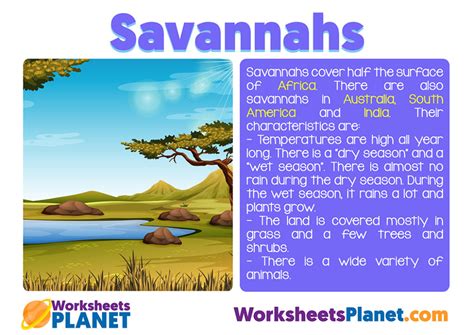
Exploring the Vibrant World of Savannah Ecosystems\n\n## Welcome to the Wild Heart of Our Planet: The Savannah Ecosystem\n\nHey there, guys! Ever pictured a vast, open landscape, dotted with acacia trees, where incredible wildlife roams free? That’s right, we’re talking about the
amazing
savannah ecosystem
! These breathtaking grasslands are truly one of Earth’s most dynamic and important biomes, acting as a crucial home for an unbelievable array of plants and animals. When we delve into the world of
savannahs
, we’re not just looking at pretty pictures; we’re exploring a critical piece of our global ecological puzzle, a place brimming with life, drama, and natural wonders. From the iconic African plains to similar landscapes found in South America and Australia,
savannah grasslands
are characterized by their unique blend of grasses and scattered trees, adapting to distinct wet and dry seasons. This isn’t just a random patch of land; it’s a finely tuned natural engine, supporting everything from tiny insects to the largest land mammals. Understanding the
savannah ecosystem
is key to appreciating global biodiversity and the intricate connections that hold our natural world together. It’s about recognizing the delicate balance that allows such a rich variety of species to coexist, despite the often harsh environmental conditions. The
savannah
truly embodies resilience and adaptation, showcasing nature’s incredible ability to thrive against the odds. It’s a place where life unfolds on a grand scale, a constant cycle of growth, migration, and survival that captivates anyone lucky enough to witness it. We’re going to dive deep into what makes these
savannah ecosystems
so special, from their unique climate patterns to the fascinating creatures that call them home, and even discuss the challenges they face and how we can all pitch in to protect them. So buckle up, because we’re about to embark on an epic journey across the
savannah
!\n\n## What Exactly Are Savannahs, Anyway?\n\nSo, what’s the deal with
savannahs
? Well, simply put, a
savannah
is a
tropical grassland biome
characterized by grasses and scattered trees that are not dense enough to form a closed canopy. Think of it as a natural hybrid between a forest and a grassland. The main keyword here,
savannahs
, really defines these unique environments. They typically receive about 75 to 150 cm (30-60 inches) of rain per year, but it’s how this rainfall is distributed that truly sets them apart. Unlike forests, which have consistent rainfall,
savannahs
experience pronounced wet and dry seasons. The
seasonal rainfall
is a huge factor, dictating the rhythm of life for everything living there. During the wet season, the grasses flourish, turning the landscape into a lush, green carpet, attracting herbivores in vast numbers. But when the dry season hits, things change dramatically. The land becomes arid, grasses turn golden-brown, and water sources dwindle, posing significant challenges for survival. This
drought
period is a test of endurance for all
savannah
inhabitants.
Fire
also plays a crucial, natural role in
savannah ecosystems
. Periodic fires, often started by lightning during dry spells, help prevent trees from overtaking the grasslands, ensuring the dominance of grasses and maintaining the open canopy structure. Many plants and animals in the
savannah
have evolved adaptations to cope with and even benefit from these fires, such as grasses with underground root systems that quickly regrow. The
climate
of the
savannah
is therefore quite dynamic, oscillating between periods of abundance and scarcity, which drives many of the ecological processes we observe. This constant flux forces incredible adaptations among its inhabitants.
Tropical grasslands
like the
savannah
are found in vast stretches across Africa (think the Serengeti!), South America (like the Llanos and Cerrado), and northern Australia. Each region has its own specific flora and fauna, but the underlying structure and
climate
patterns are remarkably similar. These areas are not just beautiful; they are incredibly productive, providing sustenance for huge populations of grazing animals and, in turn, their predators. It’s a landscape sculpted by
seasonal rainfall
,
fire
, and the constant interplay between grass and tree, creating an open, expansive environment that is both visually stunning and ecologically vital. Understanding these fundamental characteristics is the first step to truly appreciating the
savannah’s
magic and why it’s such an irreplaceable part of our planet’s natural heritage. Guys, it’s pretty clear that the
savannah ecosystem
isn’t just any old grassland; it’s a complex, living system with its own unique rules.\n\n## The Incredible Wildlife of the Savannah: A Living Safari\n\nAlright, guys, let’s talk about the real stars of the show: the
incredible wildlife of the savannah
! When you think of the
African savannah
, your mind probably conjures up images of majestic elephants, towering giraffes, powerful lions, and speedy cheetahs. And you’d be absolutely right! The
savannah ecosystem
is globally renowned for its
biodiversity
, especially its large mammal populations. This isn’t just a random collection of animals; it’s a meticulously balanced food web, a constant dance between
predators
and
prey
that has evolved over millions of years. Take the vast herds of
mammals
like wildebeest, zebras, and gazelles, for instance. These
herbivores
migrate across the plains in search of fresh grazing lands, their movements often dictating the movements of the
predators
that follow them. The sheer scale of these migrations, particularly the Great Migration in East Africa, is one of the most spectacular natural events on Earth, a testament to the abundance and resilience of
savannah life
. And speaking of
predators
, the
African savannah
is home to some of the most formidable hunters on the planet.
Lions
, with their incredible strength and social hunting strategies, rule as apex
predators
. Then there are the agile
cheetahs
, the fastest land animals, relying on bursts of speed to catch their prey.
Leopards
are masters of stealth, often hunting at night and dragging their kills into trees to keep them safe from other scavengers. Not to forget the hyenas, highly intelligent and social carnivores that are often misunderstood but play a vital role in cleaning up the ecosystem. Beyond the big game, the
savannah
teems with an astounding variety of other life forms.
Birds
of prey like eagles and vultures soar high above, spotting their next meal from great distances. Smaller
mammals
such as meerkats, various antelopes, and wild dogs add to the intricate tapestry of life. Reptiles, insects, and amphibians also play crucial roles, from pollinating plants to breaking down organic matter. The interconnectedness of this
wildlife
is profound; every species has a niche, and the removal of one can have cascading effects throughout the
ecosystem
. For instance, healthy populations of large
herbivores
are essential for maintaining the
grassland structure
, preventing overgrowth and creating diverse microhabitats. In turn, a thriving
predator
population helps regulate herbivore numbers, ensuring that the grasses aren’t depleted. This delicate balance highlights the importance of
conservation
efforts to protect all components of the
savannah’s
living safari. Each animal, from the smallest beetle to the largest elephant, contributes to the vibrant, pulsing heart of the
savannah ecosystem
.\n\n## The Dire Threats Facing Savannah Ecosystems Today\n\nIt’s a harsh truth, guys, but our beloved
savannah ecosystems
are facing some pretty serious threats today, putting their incredible biodiversity and ecological functions at risk. While these landscapes are resilient, human activities and global changes are pushing them to their limits. One of the most significant challenges is
habitat loss
due to
human encroachment
. As human populations expand, particularly in developing regions,
savannahs
are often converted for agriculture, livestock grazing, and settlement. This rapid
deforestation
(or rather, “de-savannafication”) fragments habitats, isolating animal populations and making them more vulnerable. Think about it: a vast, interconnected ecosystem suddenly broken up by farms and roads – it drastically reduces the space available for animals to roam, find food, and migrate. This leads to increased
human-wildlife conflict
, where animals that stray into human settlements are often met with hostility, further endangering their numbers.
Climate change impacts
are another major concern. Changes in global weather patterns are leading to more unpredictable rainfall, prolonged
droughts
, and increased frequency and intensity of wildfires. While fire is a natural part of the
savannah
cycle, extreme fires can devastate habitats and overwhelm the ability of ecosystems to recover. Longer dry seasons mean less food and water for
wildlife
, stressing populations and making them more susceptible to disease. The overall
climate
shift disrupts the delicate balance that
savannah ecosystems
rely on. Then there’s the insidious issue of
poaching
. Despite international laws and dedicated
conservation efforts
, illegal hunting for animal parts (like elephant ivory or rhino horn) continues to decimate populations of iconic
savannah
species. This isn’t just about losing individual animals; it’s about disrupting entire food chains and social structures within animal groups, with profound long-term consequences for the
ecosystem
. Overgrazing by livestock is also a problem. While some grazing is natural, excessive numbers of domestic animals can degrade
savannah grasslands
, leading to soil erosion and desertification, reducing the land’s capacity to support native
wildlife
. All these factors combined paint a stark picture: the
savannah ecosystem
, a place of such natural grandeur, is under immense pressure. Addressing these
threats
requires concerted global and local efforts, not just to protect individual species, but to safeguard the entire, complex system that makes the
savannah
so unique and vital to our planet’s health. It’s a wake-up call for all of us to recognize the impact of our actions and support initiatives that help these incredible places survive and thrive.\n\n## How We Can All Help Protect These Amazing Ecosystems\n\nOkay, so we’ve talked about the awesome beauty and the serious challenges facing
savannah ecosystems
. But don’t despair, guys! There’s plenty we can all do to help protect these incredible places and ensure they thrive for generations to come. The good news is that many dedicated
conservation efforts
are already underway, and we can all play a part, no matter how small. One of the most effective ways is through supporting
sustainable tourism
. When you choose to travel with reputable eco-tourism operators, especially those focused on
wildlife conservation
in
savannah
regions, your money directly contributes to local economies, funds anti-poaching initiatives, and supports the protection of natural habitats. This gives local communities a direct incentive to protect
wildlife
and natural resources, rather than exploit them.
Community involvement
is absolutely crucial. Empowering local communities living near
savannahs
to be stewards of their environment is key. This includes providing education, offering alternative livelihoods that don’t rely on unsustainable practices, and involving them in decision-making processes regarding land use and
wildlife management
. When local people feel ownership and benefit directly from
conservation
, the chances of long-term success skyrocket. Another vital area is combating
poaching
and illegal wildlife trade. This involves strengthening law enforcement, supporting anti-poaching units on the ground, and reducing demand for illegal wildlife products globally. Education campaigns are essential to make consumers aware of the devastating impact of these trades. Beyond direct
wildlife protection
, we also need to address
habitat loss
through
reforestation
(or “regreening”) and habitat restoration projects. In areas where
savannah
has been degraded, efforts to plant native grasses and trees can help restore ecological function and expand available habitat for animals. Furthermore, supporting policies and organizations that champion sustainable land use and fight against
deforestation
in adjacent areas is paramount. And let’s not forget the big picture: tackling
climate change
. By advocating for renewable energy, reducing our carbon footprint, and supporting international agreements to limit global warming, we indirectly help
savannah ecosystems
by reducing the intensity and frequency of extreme weather events. Finally, simply spreading
awareness
is powerful. Talk to your friends and family about the importance of
savannahs
, share information on social media, and support organizations dedicated to their protection. Every little bit helps. From donating to reputable
conservation
charities to making conscious consumer choices, our collective actions can make a real difference in safeguarding the future of these magnificent
savannah ecosystems
and their irreplaceable
wildlife
.\n\n## Our Collective Role in Safeguarding the Future of Savannahs\n\nSo, guys, as we wrap up our journey through the incredible world of
savannah ecosystems
, it’s clear that these aren’t just pretty landscapes in nature documentaries. They are vibrant, living systems that play an absolutely vital role in the health of our planet, underpinning intricate food webs and supporting a phenomenal array of
wildlife
. From the endless plains of the
African savannah
teeming with migrating
wildlife
, a spectacle unmatched anywhere else, to the unique
grasslands
of South America and Australia, these biomes are global treasures, contributing immensely to
biodiversity
, regulating
climate
through carbon sequestration, and offering us a priceless window into the raw power and unparalleled beauty of nature. We’ve explored what makes
savannahs
so utterly unique—their characteristic mix of grasses and scattered trees, their dependence on defining
seasonal rainfall
, and the crucial, regenerative role of natural
fire
that sculpts their very existence. We’ve marvelled at the astounding array of
mammals
and
birds
that call these places home, witnessing the eternal dance between
predators
and
prey
that keeps the ecosystem in such a delicate yet dynamic balance. But we’ve also confronted the stark realities: the pressing
threats
of pervasive
habitat loss
driven by human expansion, the devastating
climate change impacts
leading to more frequent and severe droughts, and the persistent, tragic shadow of
poaching
that endangers these magnificent environments. The message is undeniably clear: the future of these
savannah ecosystems
hangs in the balance, and our actions, both individually and collectively, will unequivocally determine their fate. The good news, however, is that it’s absolutely not too late to make a profound difference. By actively supporting reputable
conservation efforts
, promoting responsible and
sustainable tourism
practices, enthusiastically engaging with
community involvement
projects that empower local people, and constantly raising
awareness
about the plight and importance of
savannahs
, we can all contribute significantly to their protection and long-term survival. Imagine a world where future generations can still witness the awe-inspiring sight of wildebeest thundering across the plains, an ancient rhythm continuing unbroken, or a lion pride basking majestically in the golden sun, undisturbed. That future is not just a dream; it is entirely possible, but it explicitly requires our conscious effort, our unwavering passion, and our steadfast commitment. Let’s stand together, united in purpose, to protect these essential
tropical grasslands
, ensuring that the wild heart of our planet continues to beat strong and vibrantly, filled with life and wonder. The
savannah
is calling, and it’s profoundly up to us to answer with resolute action. Let’s make sure these
savannahs
not only survive the challenges of today but thrive magnificently for centuries to come, standing as a powerful testament to what humanity can achieve when we unite for nature.
